
BEAGL · University at Buffalo
What makes us human?
We are the Buffalo Evolutionary and Anthropological Genomics Laboratory. We study structural variation — the duplications, deletions and rearrangements that reshape genomes — to understand how genetic differences produce biological diversity and disease, in living and ancient human populations.

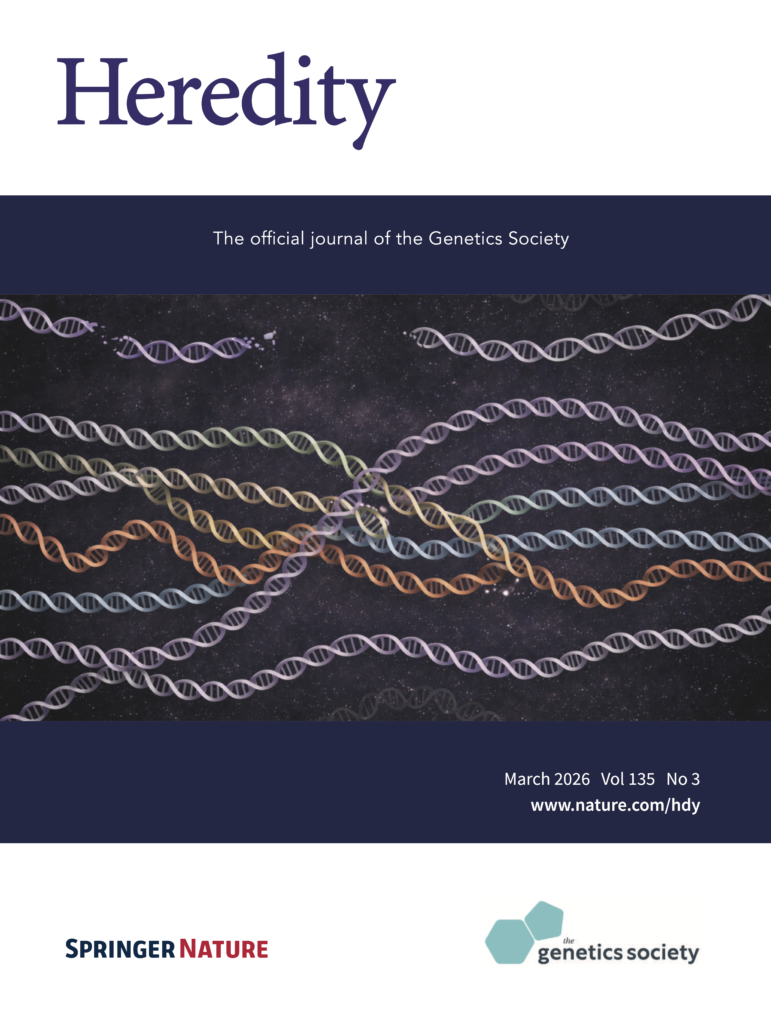
What makes us human?
Buffalo Evolutionary and Anthropological Genomics Laboratory (BEAGL) — investigating how genetic variation explains biological diversity and disease in modern and ancient human populations.
WHAT WE DO
We investigate the contributions of genomic structural variations—beyond single nucleotide variations—to human evolution, combining tools from genomics, functional genetics, anthropology, and evolutionary biology to mechanistically link genetic variation to phenotypic diversity.
RESEARCH INTERESTS
In the lab
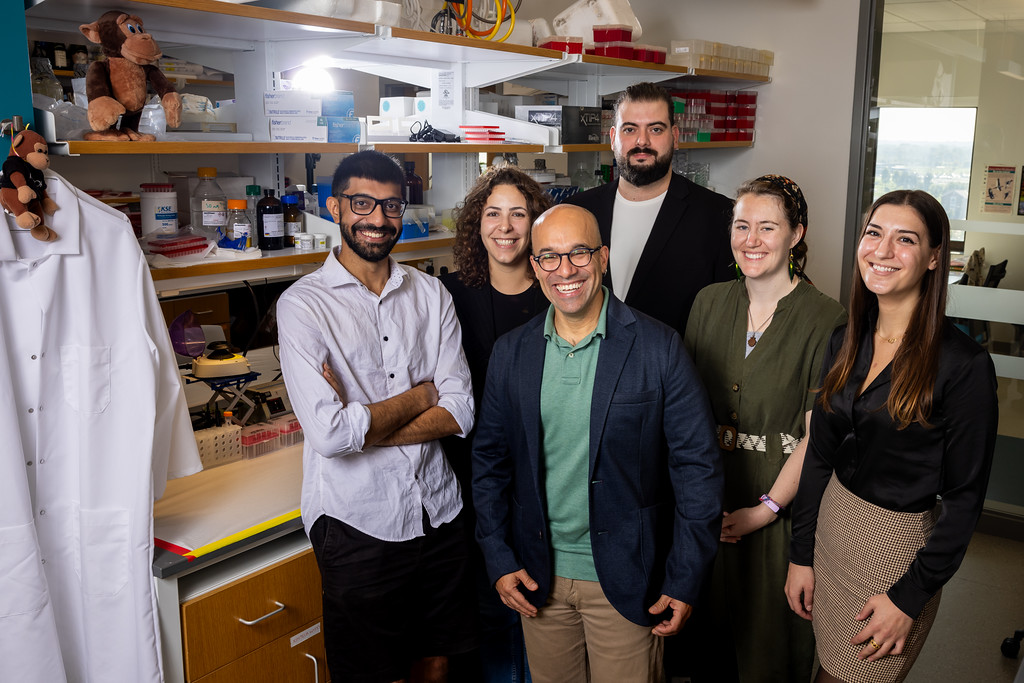
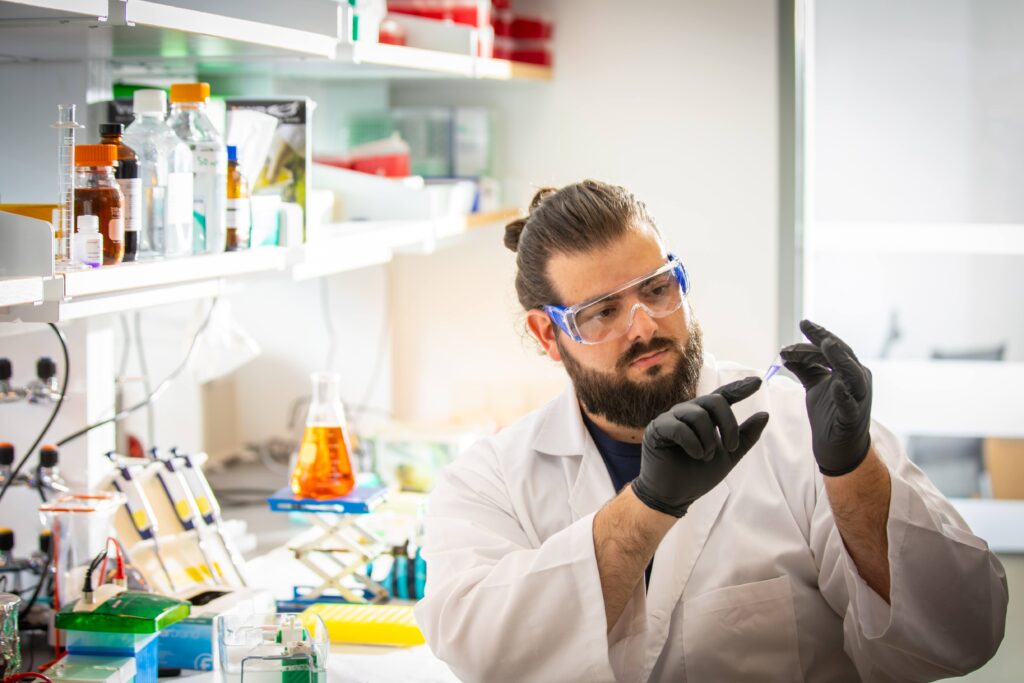
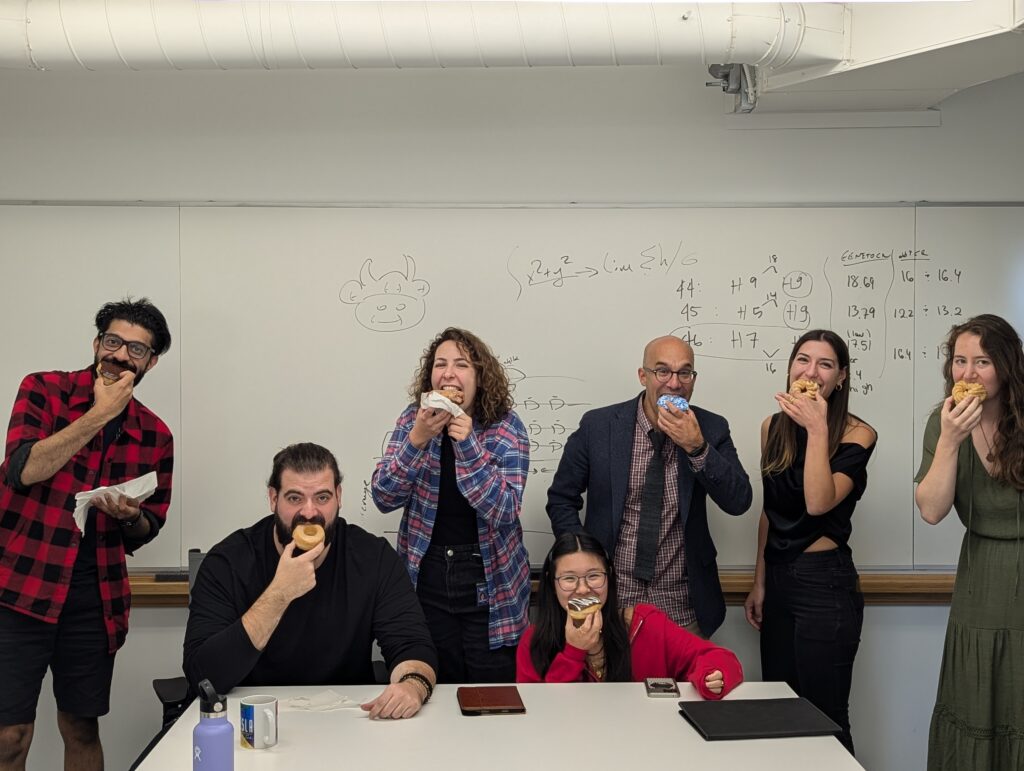
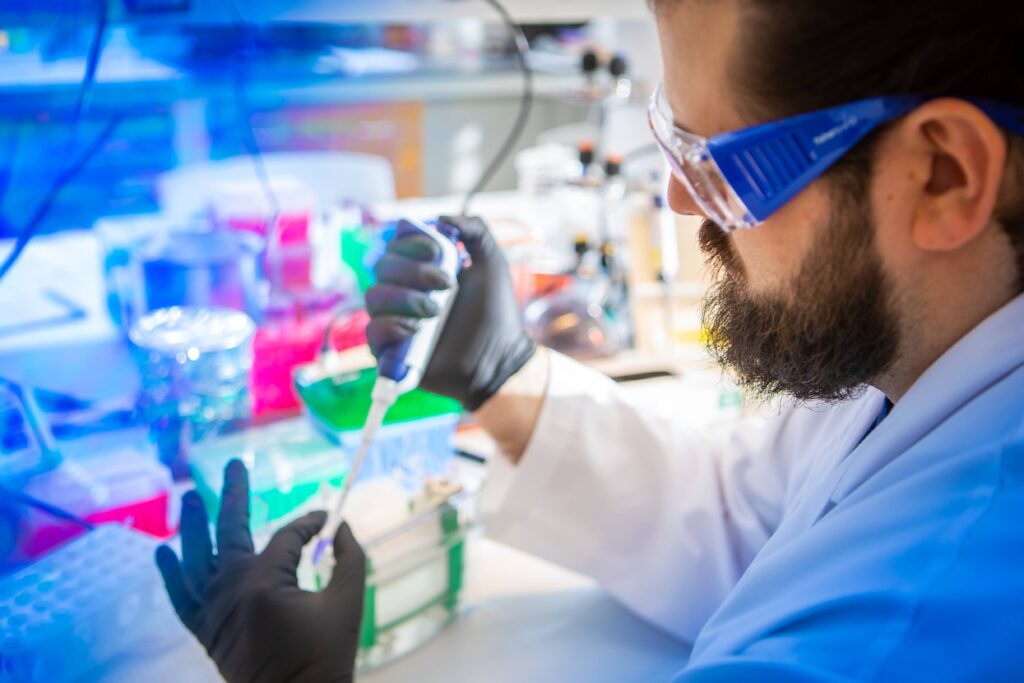
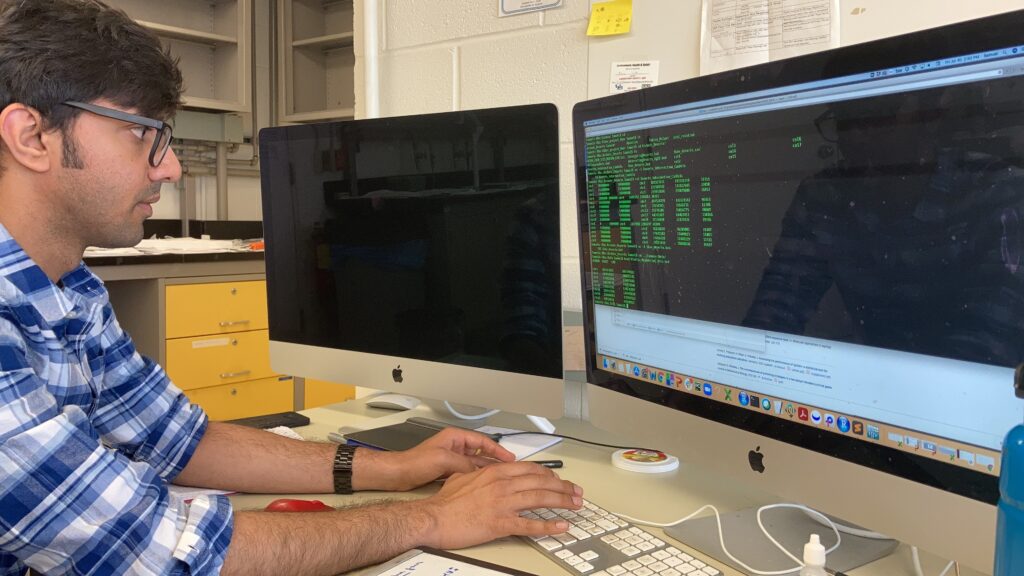

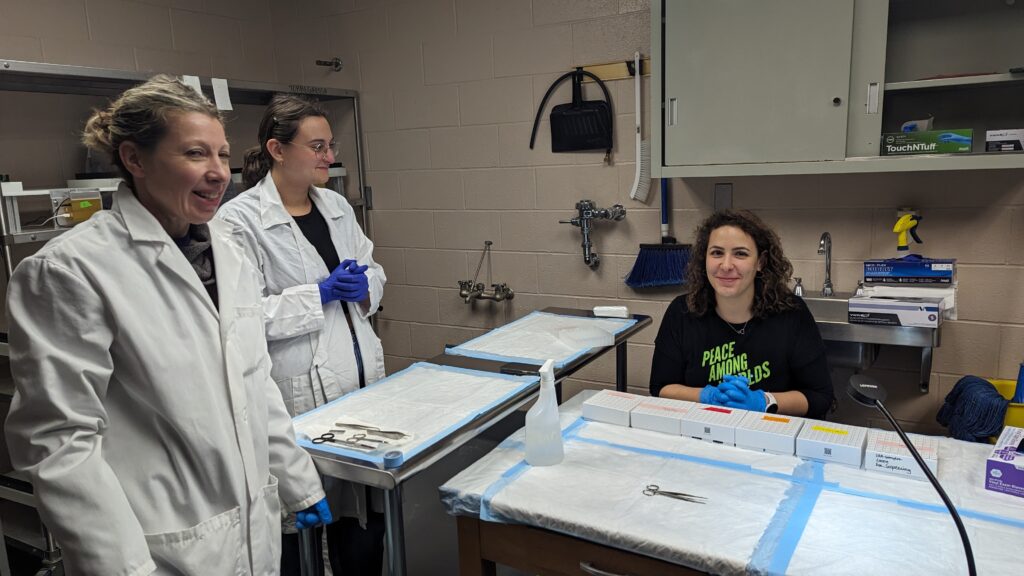

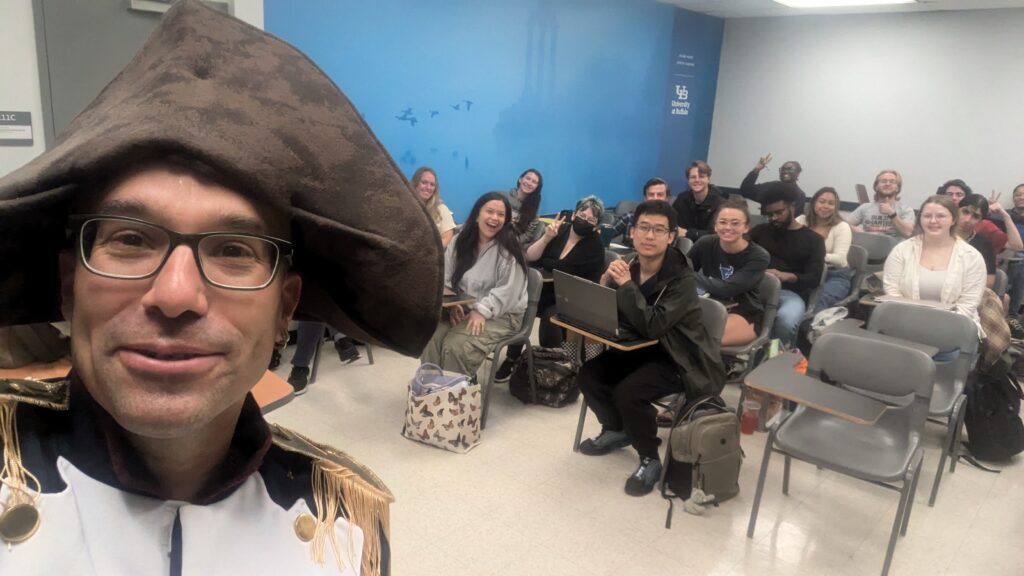
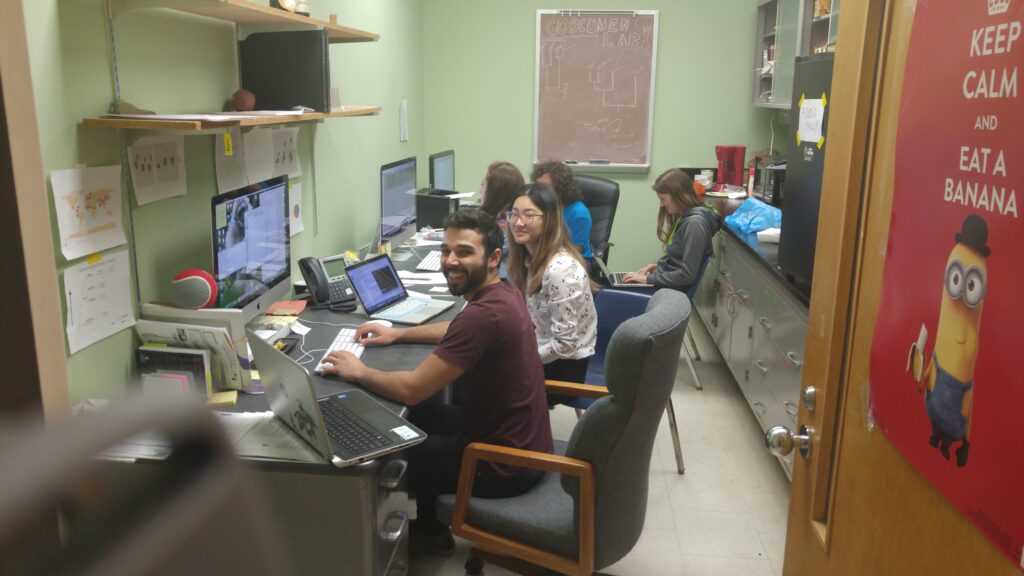
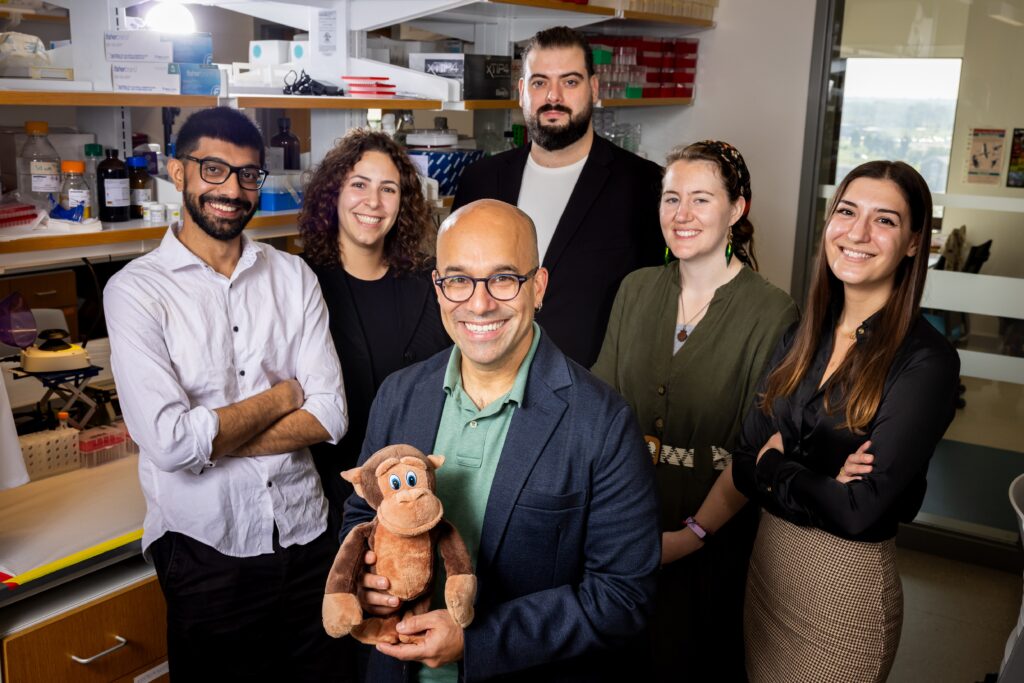
Latest news
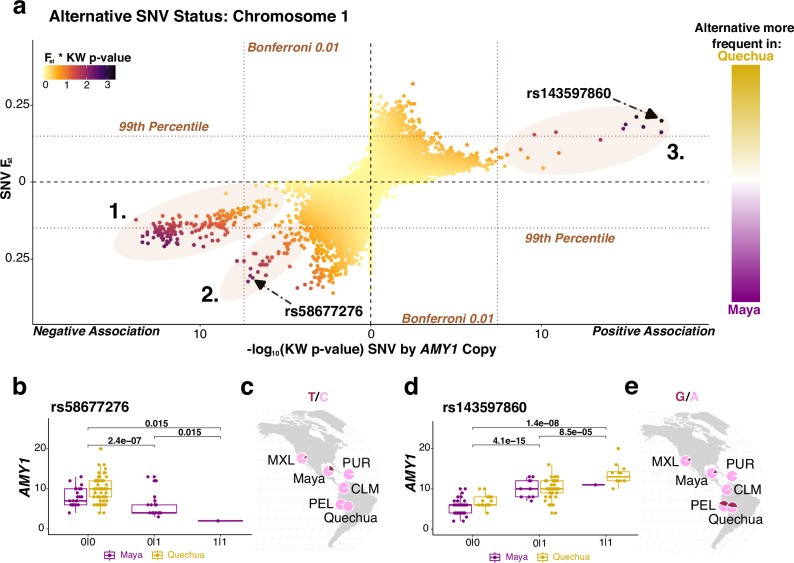
All news →- New paper: Amylase gene copy number rose rapidly in Indigenous AndeansKendra Scheer led this study, now out in Nature Communications. Working with Tom Brutsaert, Abigail Bigham and colleagues in Peru, we found that Indigenous Andean populations… Read more: New paper: Amylase gene copy number rose rapidly in Indigenous Andeans
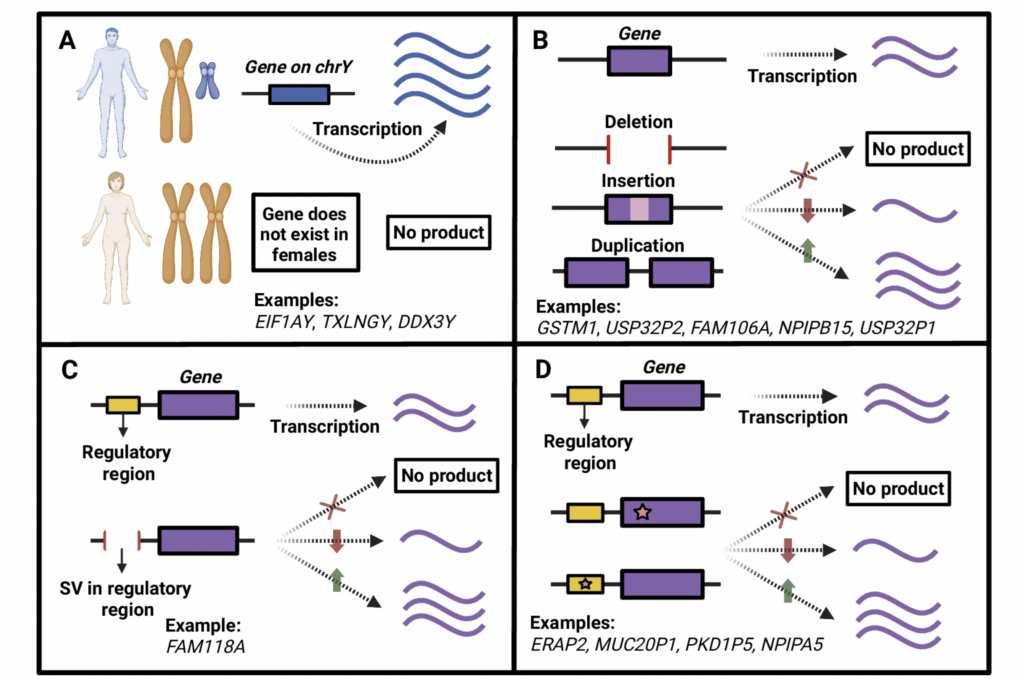
- New paper: Polymorphic duplications can generate false trans-eQTLsAlber Aqil led this one, out in the American Journal of Human Genetics. The short version: when sequencing reads coming from polymorphic duplications are mismapped, they… Read more: New paper: Polymorphic duplications can generate false trans-eQTLs

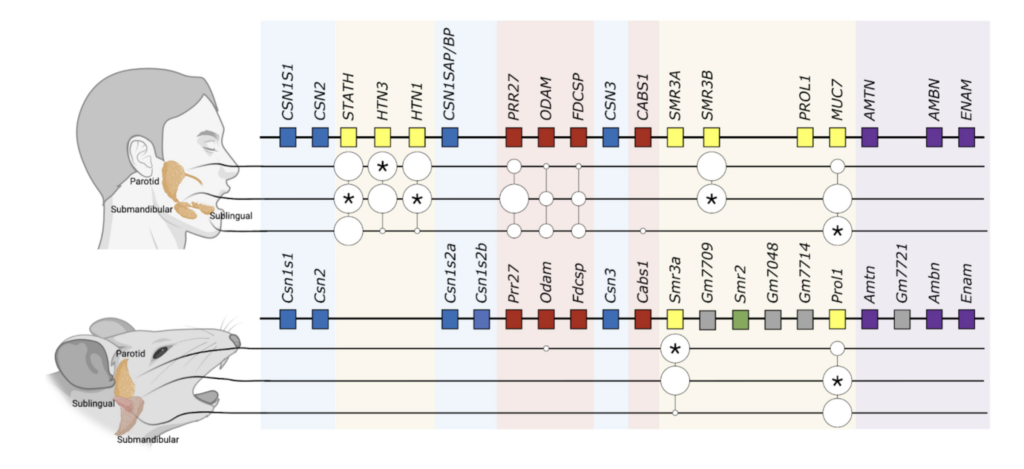
- New paper: Structural evolution of proline-rich protein genes in primate salivaOut in Molecular Biology and Evolution, led by Aguado and Pajic, with Charikleia Karageorgiou, Sarah Kassem and Stefan Ruhl among the authors. We traced the structural… Read more: New paper: Structural evolution of proline-rich protein genes in primate saliva
Data and code — our GitHub repository holds code, applications and datasets. Links to primary datasets are in the relevant publications.