
About the lab
We are curiosity-driven scholars from genomics, anthropology, population genetics, mathematics and computational biology, asking how genomes evolve and how that evolution shaped human origins, diversity and health.
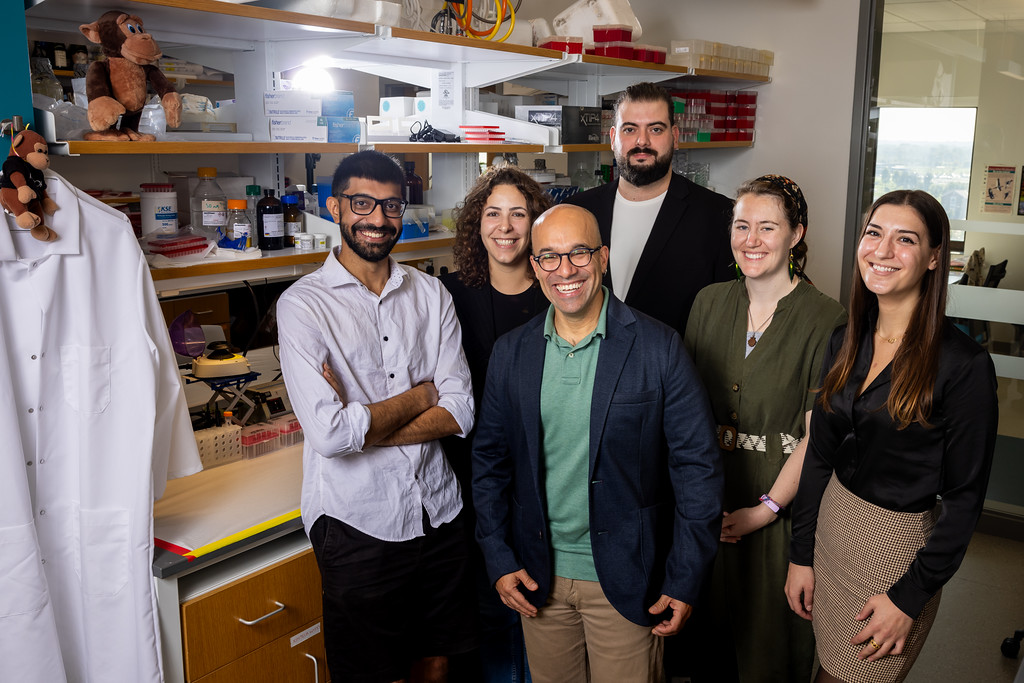
Who we are
Each member of the team brings different training, and the questions we work on sit between fields: how structural variants arise and spread, what they do to function, and what they tell us about where humans came from. We combine laboratory experiments with computational analysis, and collaborate with developmental and molecular biologists to test the function of evolutionarily interesting variants and with computer scientists and mathematicians to build the tools we need.
Our published work is described on our research pages and collected on Google Scholar.
How we work
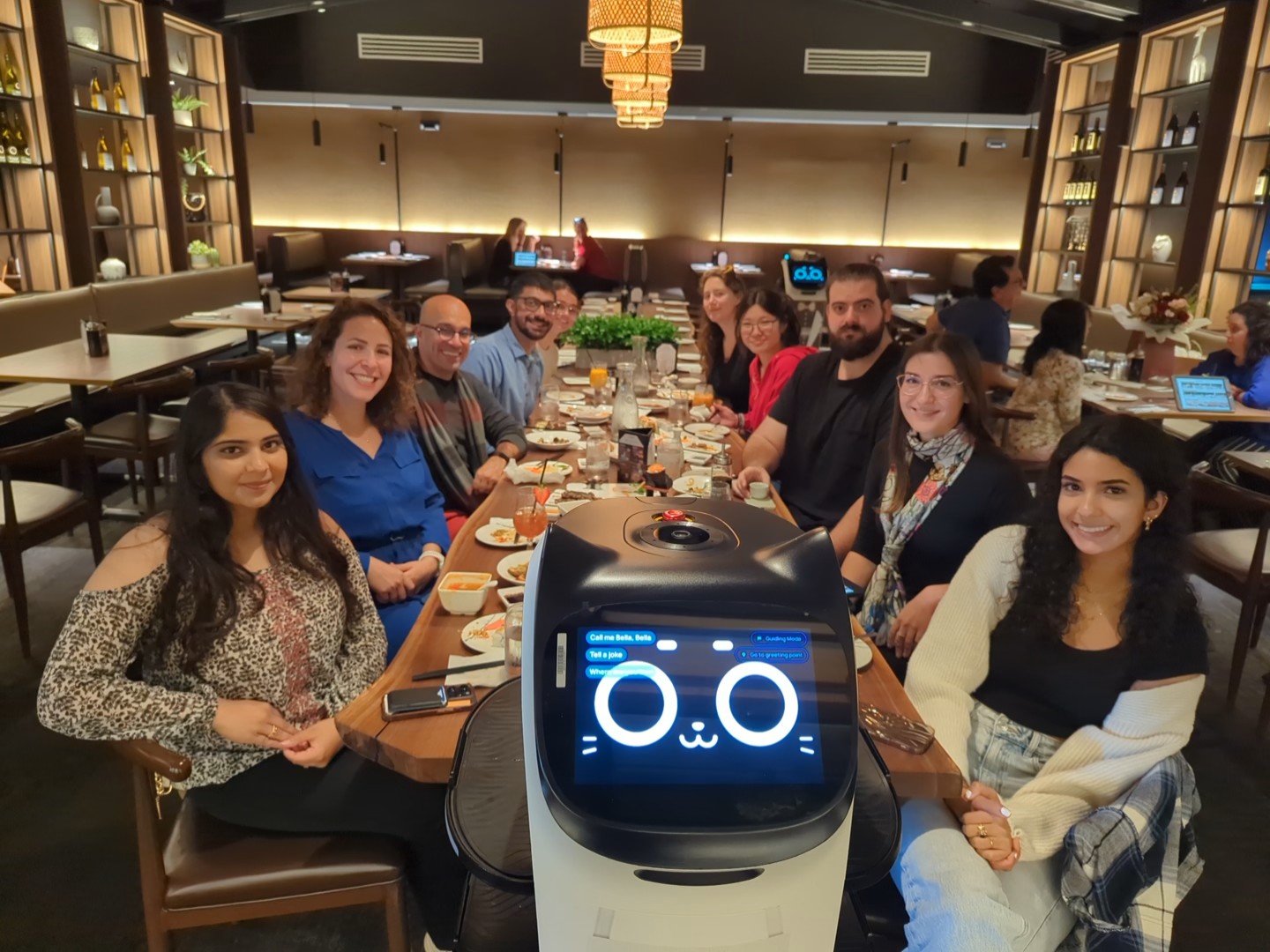
We try to keep a welcoming, cutting-edge environment where people with different intellectual interests can work alongside each other. The research is question-driven rather than method-driven, which is why the methods vary so much from project to project — and why we learn a great deal from one another. The aim is to train well-rounded, ethical and rigorous scholars.
The work is hard and sometimes genuinely difficult. In return, Omer is committed to doing everything he can as a mentor for you to succeed. Diversity in all forms is welcome. Above all: don’t panic, and bring your towel.
Join us
We are currently recruiting postdocs and Ph.D. students. There is an open postdoctoral position on structural variation and evolutionary genomics. If you are interested in any of the routes below, write to Omer at omergokc@buffalo.edu.
-
Ph.D. students
The heart and soul of the lab. Apply through the Ph.D. program in Biological Sciences; admitted students are funded — tuition and stipend — for the duration of their studies through research or teaching assistantships. External fellowships are prestigious and buy more time for research. Our flier has more.
-
Postdoctoral fellows
Get in touch if you want to develop new methods, or to work on a particular evolutionary or anthropological problem. See the open position above.
-
M.S. students
Admission runs through the department’s research-track M.S. program. If you are already a master’s student in the department and want to join the lab, just contact Omer.
-
Undergraduate researchers
Self-motivation and enthusiasm matter most; some background in evolutionary or anthropological genetics helps. Plan on at least two semesters, ideally including one or two summer months — long enough to learn the techniques, see how a molecular genetics lab runs, and produce publishable results.
Find us
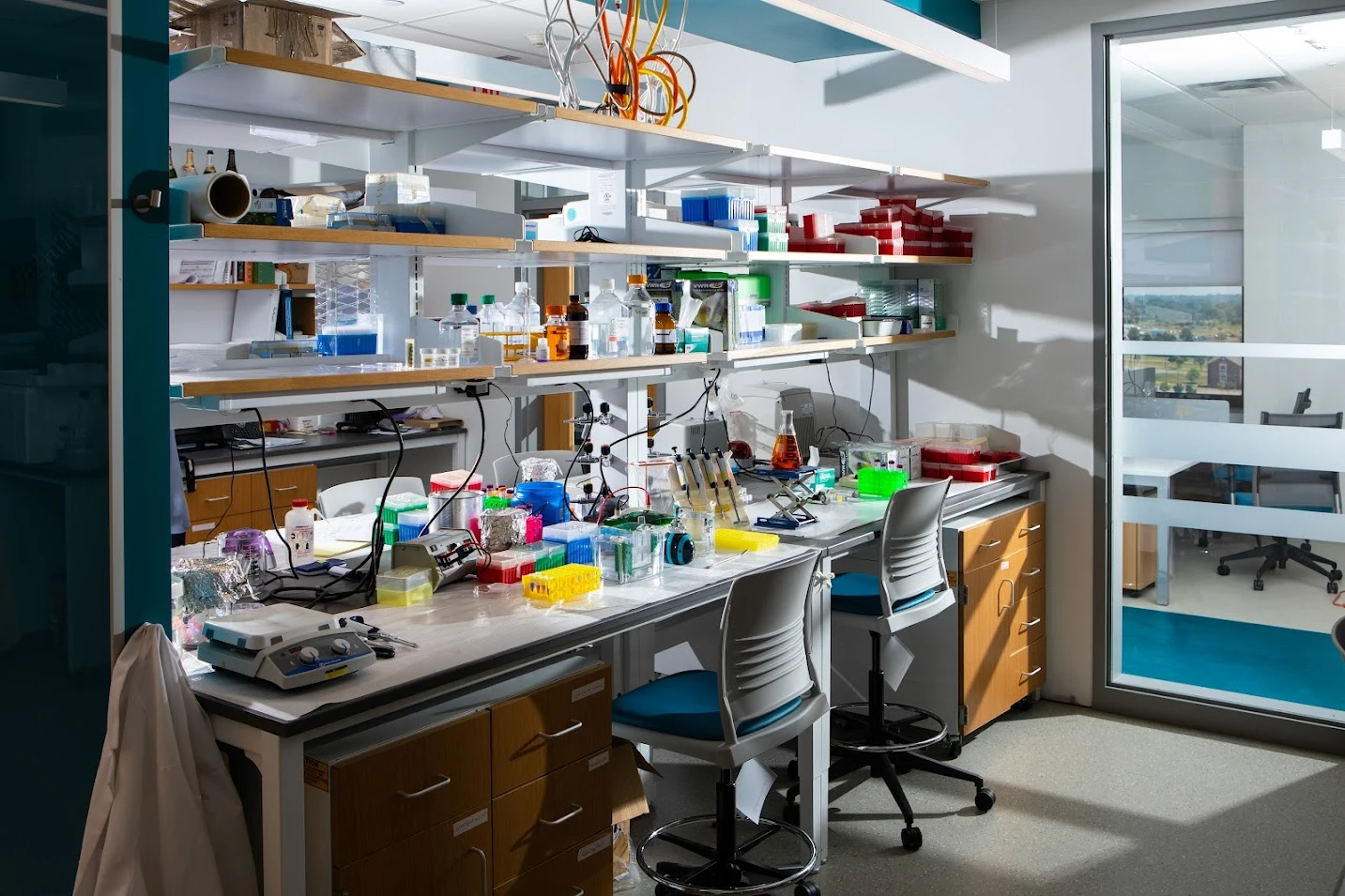
We are on the fifth floor of Hochstetter Hall, on the North Campus of the University at Buffalo, and we are happy to have visitors.
- Omer’s office
- Hochstetter 532
716-645-4937
- Graduate student room
- Hochstetter 510
716-645-6243
- Laboratory
- Hochstetter 520
716-645-4953